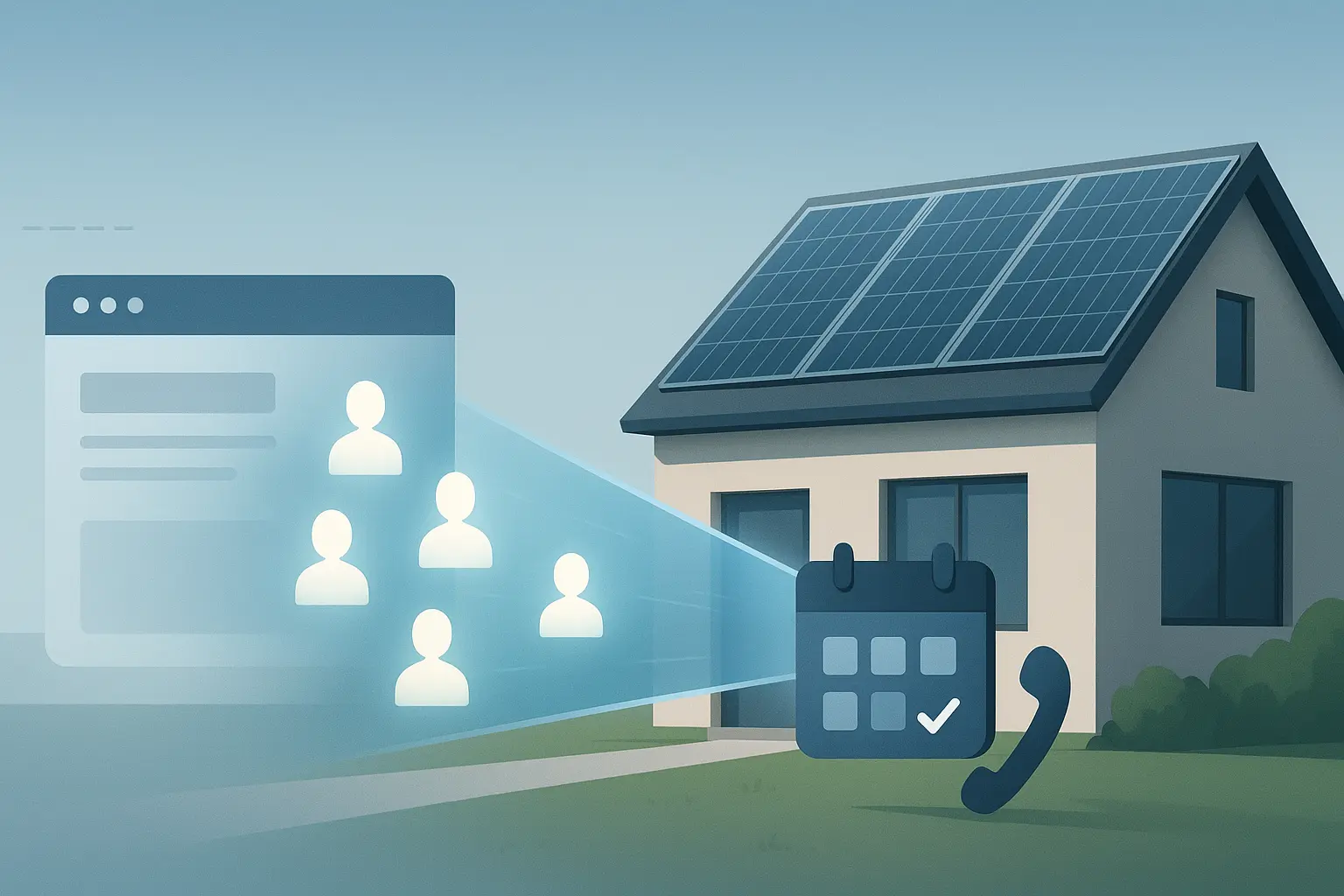
HVAC Leads: How to Get HVAC Leads Without Buying Overpriced Lists
Summarize content with
You need HVAC leads. Installation jobs. Service calls. Maintenance contracts. Whatever keeps your trucks rolling and your technicians busy.
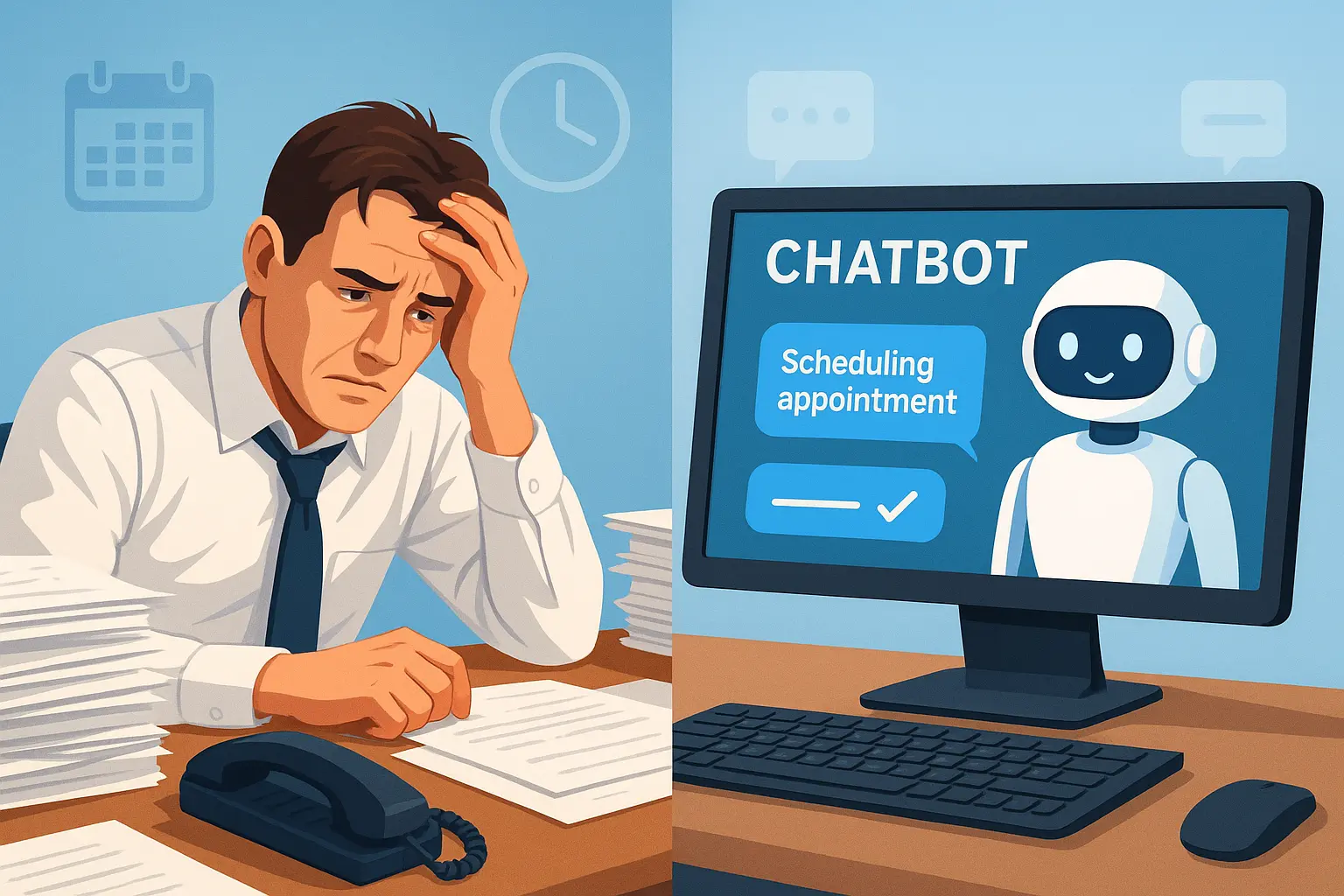
So you buy leads. $25 here. $75 there. Sometimes $150 for a commercial lead. Half of them are garbage. Wrong service area. Already hired someone else. Just price shopping with no intention to buy.
Meanwhile, people are visiting your website right now. They found you on Google. They saw your truck. They got a recommendation from a neighbor. They need AC repair or a new furnace or duct cleaning.
And then they leave. No call. No form. Nothing.
You're buying HVAC leads from someone else while your own traffic walks away for free.
Let's fix that.
The real cost of buying HVAC leads
Let's be honest about what you're actually paying when you buy HVAC leads.
The leads are expensive. Residential HVAC leads run $20-75 depending on the service and source. Commercial HVAC leads can hit $100-200. If you're closing 20-30% of them, you're paying $100-250 in lead costs per job.
Quality is inconsistent. Some lead vendors sell the same lead to 3-5 contractors. You're racing against your competitors to call first. Others sell aged leads that are weeks old. By the time you call, they've already picked someone.
You have zero control. Leads come when they come. You can't control volume, quality, or timing. Slow week? Too bad. Lead prices go up? Pay it or get no leads.
You're dependent. Your entire pipeline relies on someone else's ability to generate leads. If they change their pricing, shut down, or the quality drops, you're stuck.
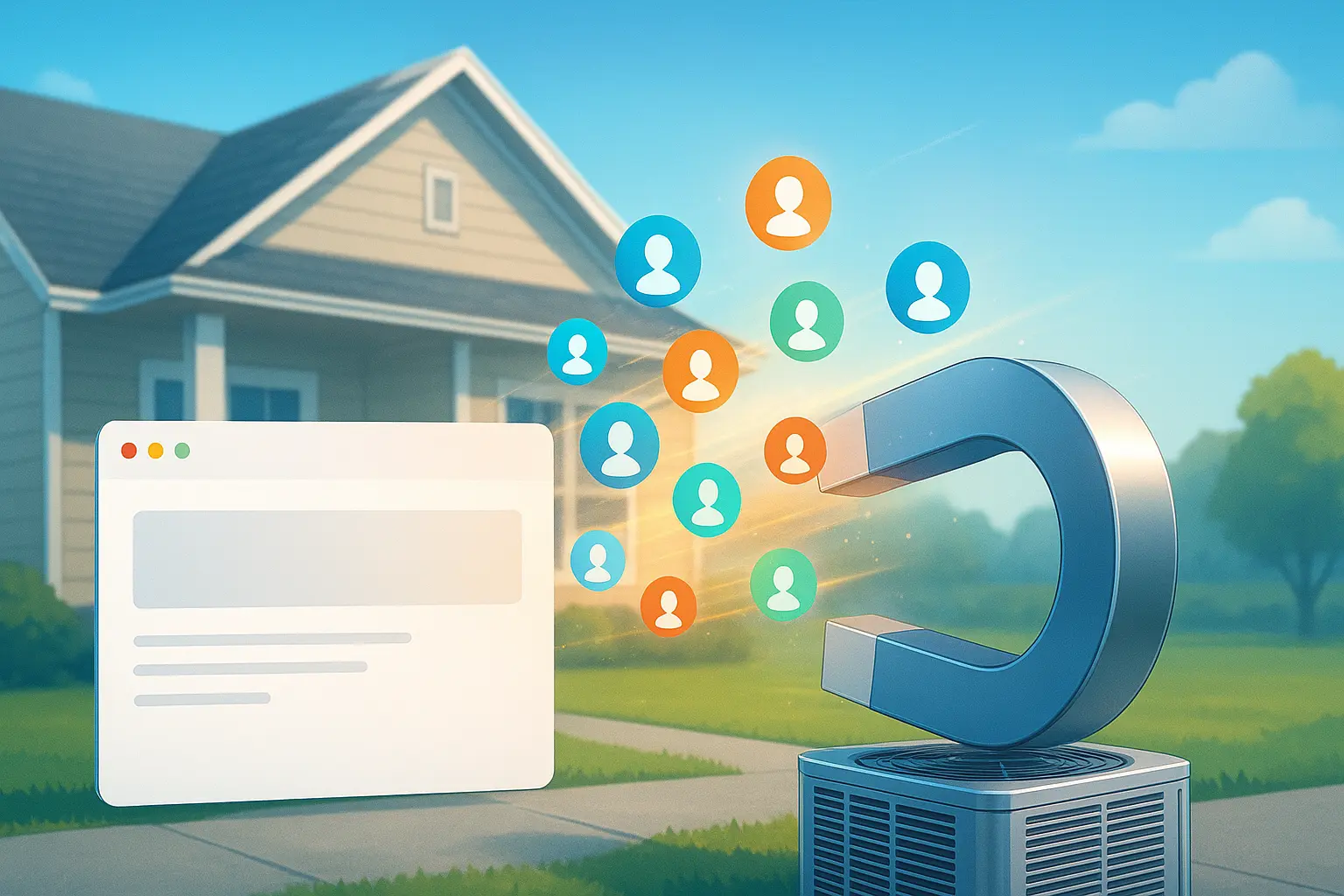
The companies selling you HVAC leads aren't doing anything magical. They're running ads, building websites, and capturing people who need HVAC services. Then they're selling that person's information to you (and probably your competitors too).
You can do the exact same thing. And keep 100% of the leads.
Why your website isn't generating HVAC leads
You're getting some traffic. Maybe not tons, but people are visiting. They found you on Google, clicked your ad, saw your truck and looked you up, whatever.
But they're not calling. They're not filling out your contact form. Here's why:
Your contact form is too much work. You're asking for name, address, phone, email, service needed, preferred date, problem description. That's not a form. That's a job interview. Nobody wants to spend 5 minutes filling that out just to ask a question.
You're not available when they visit. Most people search for HVAC help when something breaks. At night. On weekends. When it's 95 degrees and their AC just died. Your office is closed. Your phone goes to voicemail. They move on to the next company.
They can't get quick answers. They want to know if you service their area, if you handle their type of system, roughly what it might cost. They're not going to search through your entire website hoping to find the answer.
There's no easy next step. The only options are "fill out this long form" or "call during business hours." Both have too much friction. They'll do it for one company, maybe two. Then they get tired and just pick whoever responds first.
You're not capturing urgency. When someone's AC breaks in July or their furnace dies in January, they need help now. If you can't engage them immediately, they're calling your competitor who can.
The result? You're spending money driving people to your website, and 95% of them leave without converting. You're doing the hard part (getting traffic) but failing at the easy part (capturing it).
How to get HVAC leads from your own traffic
The HVAC companies crushing it with lead generation aren't doing anything complicated. They're just making it stupid easy for people to take the next step.
Here's the system that works:
Give them instant answers
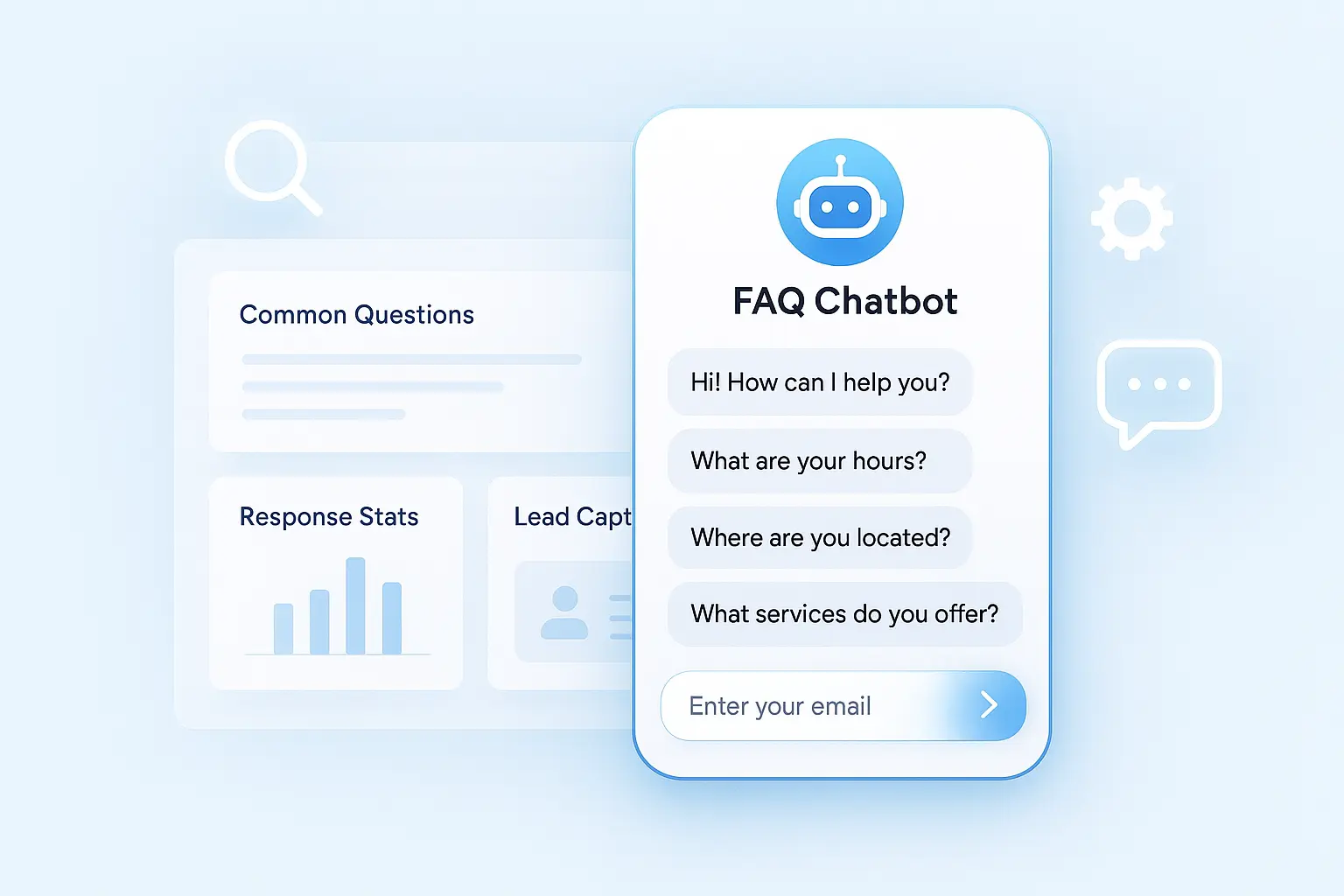
Put a chat widget on your website. Every page. Visible. Obvious.
"Need HVAC help? Ask me anything."
When someone clicks it, they can immediately ask whatever they want:
"Do you service [their area]?"
"How much does AC repair usually cost?"
"Can you come today?"
"Do you work on [their system brand]?"
Instead of making them search your entire site or wait for you to answer the phone tomorrow, they get instant answers. Right now. At 9 PM on Saturday when their AC just died.
Answer intelligently with AI
This only works if the answers are actually helpful. Not "Thanks for contacting us, someone will call you back."
Your chat needs to know your business. Your service area. Your typical pricing. Your services. Your availability.
When someone asks "Do you do emergency AC repair?" it should say "Yes, we offer 24/7 emergency service in [service area]. We can typically get a technician to you within 2-4 hours."
When they ask about cost, it should give realistic ranges: "AC repairs typically run $150-500 depending on the issue. Compressor replacements are usually $1,200-2,500. We provide exact quotes after diagnosing the problem."
Real answers. Helpful information. Not vague corporate speak.
Qualify them while chatting
While you're answering questions, you're also learning about them.
What service do they need? (Repair, replacement, maintenance, installation)
Are they the homeowner or decision maker? (Renters usually can't approve work)
When do they need service? (Emergency today vs. planning for next season)
What's their location? (Are they even in your service area?)
But you don't interrogate them with a form. You ask naturally as part of the conversation.
Them: "My AC isn't cooling"
You: "I can help with that. How long has it been having issues?"
Them: "Just started today"
You: "Got it. And where are you located?"
Them: "[Their city]"
You: "Perfect, we service that area. Are you available for a technician to come out today or tomorrow?"
You're qualifying them while being helpful. By the time the conversation ends, you know if they're worth scheduling.
Capture their contact information
Once they're engaged and qualified, that's when you ask for their info.
Not at the start. Not before providing any value. After they've gotten answers and you know they need your services.
"I can get a technician scheduled for you. What's the best phone number to reach you?"
Or: "Let me get your info so we can send someone out. What's your address and phone number?"
The conversion rate is way higher because they've already invested in the conversation. They're not starting cold.
Book the appointment immediately
Most HVAC companies lose the lead here. They get the phone number, then there's a delay.
Someone calls them back. They play phone tag. They finally connect. They schedule for next week. Meanwhile, the customer already called two other companies and hired whoever could come first.
Instead, book them right there:
"We have a technician available tomorrow at 2 PM or Wednesday at 10 AM. Which works better?"
They pick a time. It goes on your calendar. They get confirmation. Done.
They went from "my AC is broken" to "technician scheduled" in 3 minutes. No delay. No back and forth. Just instant service.
This is what LeadJot does for HVAC companies
Everything I just described is what LeadJot automates for HVAC contractors.
You set it up once:
Train it on your business. Upload your service areas, pricing ranges, services offered, common questions, whatever customers ask about. LeadJot learns your business so it can answer accurately.
Set qualifying questions. Tell it what matters. Service type? Location? Urgency level? Property type? It asks these naturally during conversation.
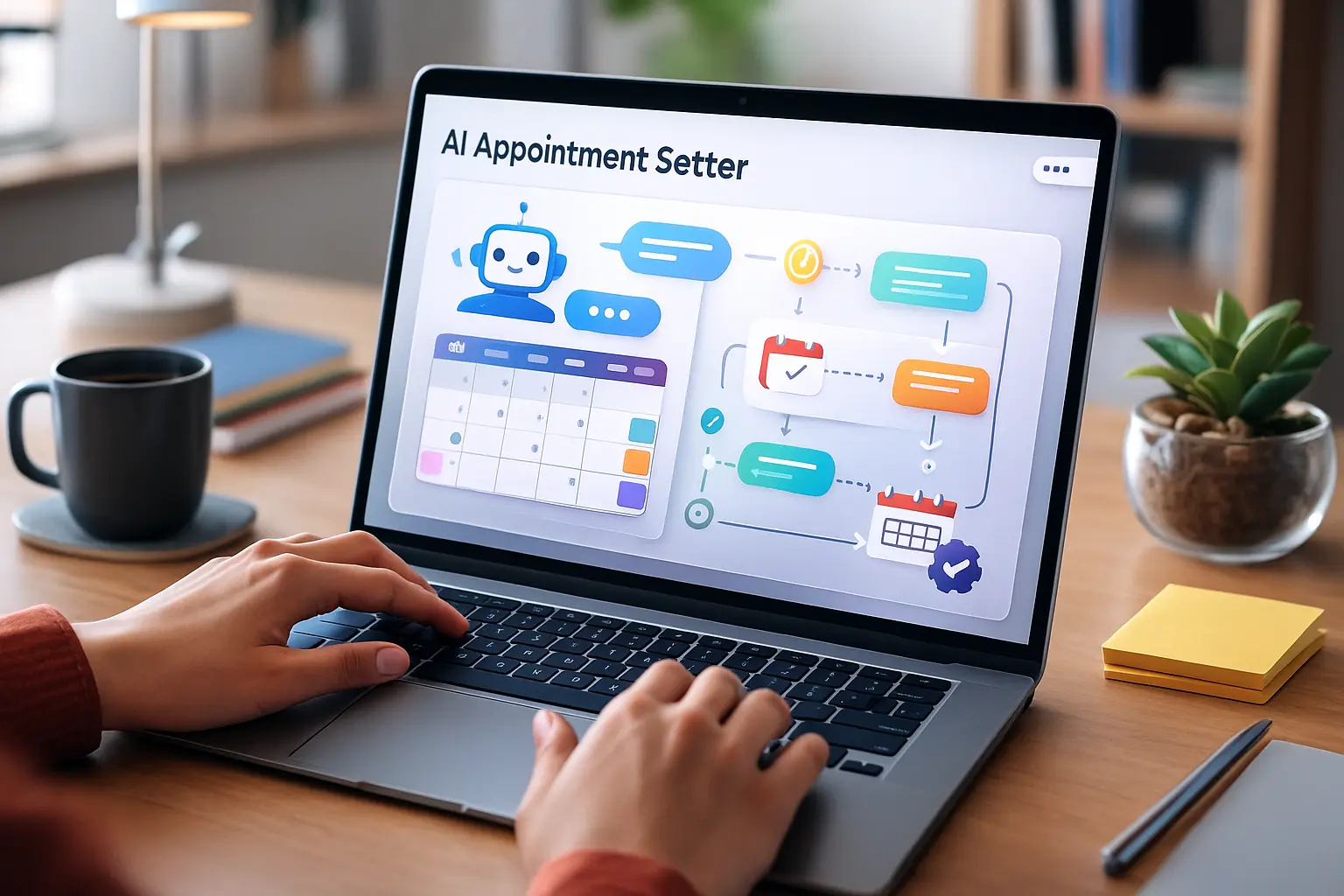
Connect your calendar. Link your scheduling system. When someone is qualified and ready, LeadJot books them directly on your calendar.
Customize the tone. Make it sound like your company. Professional and quick, or friendly and conversational, whatever fits your brand.
Deploy it. Copy one line of code, paste it on your website. Takes 30 seconds.
Now it works 24/7:
Someone's AC breaks at 8 PM Sunday. They Google "emergency AC repair near me" and find your site. They click the chat: "Can you help today?"
LeadJot responds instantly: "Yes, we offer emergency service. What's going on with your AC?"
They explain. LeadJot qualifies them (location, homeowner, urgency), captures their contact info, and books them for first thing Monday morning.
You start Monday with a confirmed emergency service call. They're qualified. They're ready. You didn't lift a finger.
How to get more HVAC leads: The complete strategy
Here's what successful HVAC companies do to generate consistent leads:
Step 1: Optimize for local search
When someone searches "AC repair near me" or "furnace replacement [city]," you want to show up.
Claim your Google Business Profile. Add photos, services, service area, hours. Get customers to leave reviews. The more 5-star reviews, the higher you rank.
Get listed in directories. Yelp, Angi, HomeAdvisor, your local business associations. Make sure your business name, address, and phone are consistent everywhere.
Create location pages. If you serve multiple cities, make a page for each: "AC Repair in [City]." Include specific local info.
Write helpful content. "How Much Does HVAC Replacement Cost in [State]" or "When to Repair vs Replace Your AC Unit." This ranks in Google and brings free traffic.
This takes time but pays off for years. Free leads from Google every month.
Step 2: Run Google Ads for immediate results
Can't wait months for SEO? Google Ads brings leads today.
Bid on terms like "AC repair [city]" or "emergency HVAC near me." Your ad shows up first. Someone clicks. They land on your site. Your chatbot engages them instantly.
What works:
Start with a small budget. $30-50/day. Test what works.
Use location-specific keywords. "HVAC repair Phoenix" converts better than generic "HVAC repair."
Send traffic to a specific landing page. One service, one clear message, one next step.
Have LeadJot ready to capture leads immediately. Don't make them wait.
Track everything. Know which keywords actually generate booked service calls.
Step 3: Capture every website visitor
This is the biggest opportunity most HVAC companies miss.
You're already getting traffic from Google, ads, referrals, your truck wraps, whatever. But 95% of it leaves without converting.
LeadJot fixes that. Every visitor can instantly ask questions, get answers, and book service. No friction. No delay. Just instant engagement that turns visitors into booked calls.
Most HVAC companies see 8-15 extra service calls per month from traffic they were already getting. That's 96-180 extra jobs per year from people who were visiting their site anyway.
Step 4: Use Facebook for brand awareness
Facebook ads work differently than Google. People aren't actively searching for HVAC help. You're interrupting their scrolling.
But it still works for building awareness and capturing people before they need emergency service.
What works:
Target homeowners in your service area. Filter by age (homeowners are typically 30+), location, and homeownership status.
Offer seasonal maintenance. "Fall Furnace Check: $79" or "Spring AC Tune-up Special." Get them into your system before they need emergency service.
Retarget website visitors. Someone visited your site but didn't book? Show them ads reminding them you're available 24/7.
Share customer testimonials. Video of a happy customer talking about your fast emergency service performs great.
Facebook leads are usually earlier in the buying cycle. They're not in emergency mode yet. But capturing them early means they call you first when they do need help.
Step 5: Vehicle wraps and yard signs
Old school but effective for local HVAC companies.
Your trucks are mobile billboards. Make sure your company name, phone number, and website are huge and readable from 50 feet away.
When you're at a job site, put a yard sign out front. Neighbors notice. They see your truck. They remember your name. When their AC breaks next month, they call you.
Make sure your website is ready to capture them with LeadJot when they visit.
Step 6: Get customer referrals
Your best HVAC leads come from happy customers.
After every job, ask: "If you know anyone who needs HVAC help, we'd love to help them too."
Make it easy:
- Give them business cards to share
- Offer a referral bonus ($50-100 off their next service for every referral)
- Send a follow-up email a month later asking for referrals
- Feature their review on your website and social media
Referrals convert at 2-3x the rate of other leads because they come with built-in trust.
Step 7: Build an email list
Every customer who books service gets added to your email list.
Send seasonal reminders:
- "Fall is here. Time to schedule your furnace checkup."
- "Summer's coming. Book your AC tune-up before the rush."
- "Did you know filters should be changed every 90 days?"
These emails generate maintenance calls and keep you top of mind for when they need repairs or replacement.
Exclusive HVAC leads vs shared leads
When you buy HVAC leads, you need to know what you're getting.
Shared leads get sold to 3-5 contractors. You're all competing to call first. Whoever responds fastest usually wins. These are cheaper ($15-40) but harder to convert.
Exclusive leads only go to you. No competition. But they cost more ($50-150+) and you still don't control quality or volume.
Your own leads are truly exclusive because you generated them. Nobody else has their information. They came to you specifically. And they cost basically nothing after the initial setup.
The best way to get HVAC leads isn't buying them. It's generating your own from traffic you already have or can easily get.
Best way to get HVAC leads: Start here
You don't need to implement everything at once. Start with the biggest opportunity.
This week: Set up LeadJot on your website. Takes 20 minutes. Immediately starts converting your existing traffic into booked service calls.
Next week: Optimize your Google Business Profile. Add photos, update your services, ask recent customers for reviews.
Week 3: Launch a small Google Ads campaign. $30/day targeting "[your service] near me" type searches.
Week 4: Create one piece of helpful content. "Complete Guide to AC Repair Costs in [Your City]" or "Furnace Replacement: When to Repair vs Replace."
Month 2: Start asking every customer for referrals. Make it part of your process.
Within 60 days, you'll have a system that consistently generates HVAC leads without you constantly buying them from vendors.
Stop buying, start generating
HVAC contractors who buy leads are always at someone else's mercy. Prices go up? You pay or get no leads. Quality drops? Too bad. Volume dries up? Your pipeline disappears.
HVAC contractors who generate their own leads control everything. Traffic sources. Quality. Volume. Cost.
The foundation is simple: make sure every person who visits your website can easily take the next step.
LeadJot does this automatically. Questions get answered instantly. Visitors get qualified. Service calls get booked. All without you lifting a finger.
Setup takes 10 minutes. Cost is $49+/month. If it books even two extra service calls per month, it's paid for itself compared to buying leads at $25-75 each.
Most HVAC companies see 8-15 extra booked calls per month. That's not even counting the time saved from automated scheduling instead of phone tag.
Stop overpaying for HVAC leads. Start capturing your own.
Try LeadJot free for 7 days and see how many leads you've been missing.
Your next service call is probably browsing your website right now. Make sure they book with you, not your competitor.